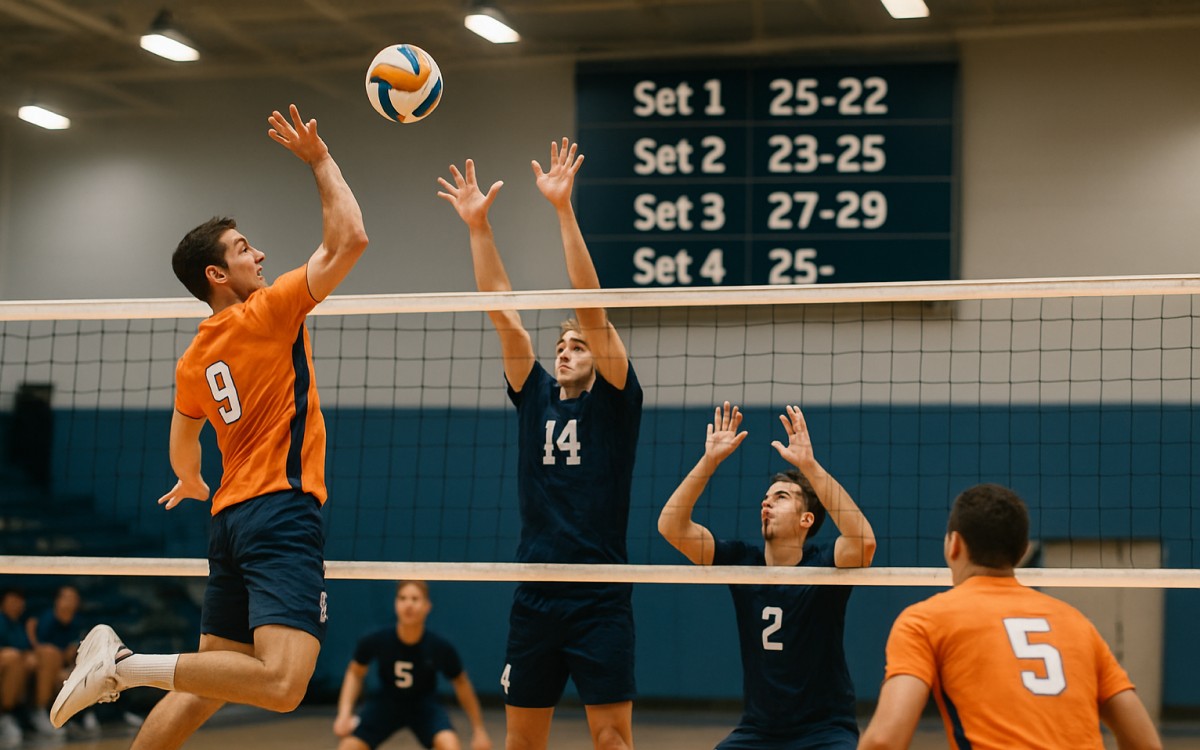
In the world of high-stakes competition, the most formidable opponent is often not the person standing across from you, but the numbers glowing on the display. Scoreboard pressure is a psychological phenomenon where the simple awareness of a deficit creates a sense of urgency and anxiety. This occurs even when the opponent is not actively attacking or exerting physical dominance. Understanding why this happens requires a deep dive into human psychology, risk perception, and the mechanics of competitive stress.
The Silent Weight of the Deficit
Scoreboard pressure is unique because it is an internalised threat. In many sports or games, you can see a physical threat approaching, such as a fast bowler steaming in or a striker weaving through the midfield. However, scoreboard pressure operates in the background. It is a constant reminder that time is slipping away and the current strategy is not yielding the necessary results. Even if the game is currently in a lull, the numbers tell a different story.
This pressure builds because the trailing side begins to play against the clock rather than the opponent. When the gap between the scores becomes significant, every empty minute feels like a lost opportunity. This creates a ‘phantom threat’ where the player feels they are losing even when they are technically in control of the current play. The scoreboard acts as a persistent critic, highlighting failure in real-time and forcing the mind to wander toward the consequences of a loss.
Cognitive Load and Decision Fatigue
The human brain has a limited capacity for processing information under stress. When a player is trailing, a large portion of their cognitive resources is dedicated to calculating what-ifs. They begin to compute how many points are needed per minute or what specific actions must be taken to equalise. This extra mental workload is known as cognitive load, and it significantly hampers the ability to perform complex tasks with precision.
As this load increases, decision fatigue sets in. In a neutral state, a player might choose the most logical and safe option. Under scoreboard pressure, the brain seeks a shortcut to relieve the psychological discomfort of trailing. This often leads to impulsive decisions or over-aggressive plays that are not supported by the current situation on the field. The player is no longer reacting to the game; they are reacting to the stress of the deficit.
The Erosion of Technical Mastery
One of the most fascinating aspects of scoreboard pressure is how it affects physical mechanics. Highly skilled professionals spend years developing muscle memory so they can perform without conscious thought. However, when the pressure of the score becomes overbearing, the brain often switches from automatic processing to explicit monitoring. This means the player starts thinking about the mechanics of their movement.
This shift often leads to what is colloquially known as ‘choking’. By trying to consciously control a movement that should be automatic, the player disrupts their own rhythm. A golfer might tighten their grip, or a basketball player might alter their release point. These tiny physical changes are the direct result of the mental weight of the score. The threat is not that the opponent is better, but that the player is now fighting their own nervous system.
The Run Rate Mentality
In many popular regional sports, the concept of a ‘required rate’ is a perfect example of scoreboard pressure. Even if the opposing team is not taking wickets or playing aggressively, the mere fact that the required number of runs per over is climbing creates a sense of panic. This is a mathematical pressure that exists independently of the opponent’s current performance.
As the required rate climbs, the batting side feels forced to take risks they would otherwise avoid. They might attempt a dangerous shot or a risky run simply because the scoreboard demands it. This is exactly what the leading side wants. By doing nothing more than maintaining a steady defensive line, the leaders allow the scoreboard to do the work for them. They sit back and watch as the pressure forces the trailing side into self-destruction.
Probability and the Fear of Failure
Psychologically, humans are wired to be loss averse. We feel the pain of a loss much more intensely than the joy of a gain. When the scoreboard shows a deficit, it triggers the brain’s fear centre, the amygdala. This shifts the player into a defensive mindset focused on avoiding failure rather than achieving success.
This shift changes how a player perceives probability. A high-risk move that has a 20% chance of success might suddenly look like the only option left. The invisible threat here is the narrowing window of opportunity. As the probability of a natural comeback decreases, the urge to find a miracle play increases. This desperation is almost always the downfall of the trailing side, as they abandon the very skills that brought them to the professional level.
How the Leading Side Exploits the Void
A sophisticated competitor knows that they do not always need to be aggressive to win. Sometimes, the most effective strategy is stagnation. By playing a very safe, low-risk game, the leader ensures that the score remains static. They are not necessarily trying to increase their lead; they are simply refusing to let the opponent close the gap.
This creates a vacuum where the trailing player feels they are running out of road. The lack of action from the leader is actually a psychological tactic. It forces the trailing player to provide all the energy and take all the risks. When the opponent does not provide a visible threat to react to, the trailing player has to invent their own momentum, which is exhausting and prone to error.
Managing the Internal Dialogue
The only way to combat scoreboard pressure is through rigorous mental training. Elite athletes use process-oriented thinking to stay grounded. Instead of looking at the final score, they focus on the immediate task, such as the next ball, the next pass, or the next breath. By breaking the game down into tiny, manageable segments, they effectively “mute” the scoreboard.
- Routine: Maintaining a consistent pre-action routine helps keep the brain in automatic mode.
- Self-Talk: Replacing ‘we are losing’ with ‘focus on the target’ shifts the brain away from the amygdala.
- Visualisation: Preparing for a deficit before the game starts reduces the shock when it actually happens.
Scoreboard pressure is a testament to the power of the mind over reality. It proves that a set of numbers can be just as intimidating as a physical challenger. Whether in a stadium or a digital arena, the ability to remain calm while the clock ticks down is what separates the champions from the rest. By recognising that the pressure is an internal construct, players can learn to focus on the play rather than the result, ensuring that they remain the masters of their own performance.