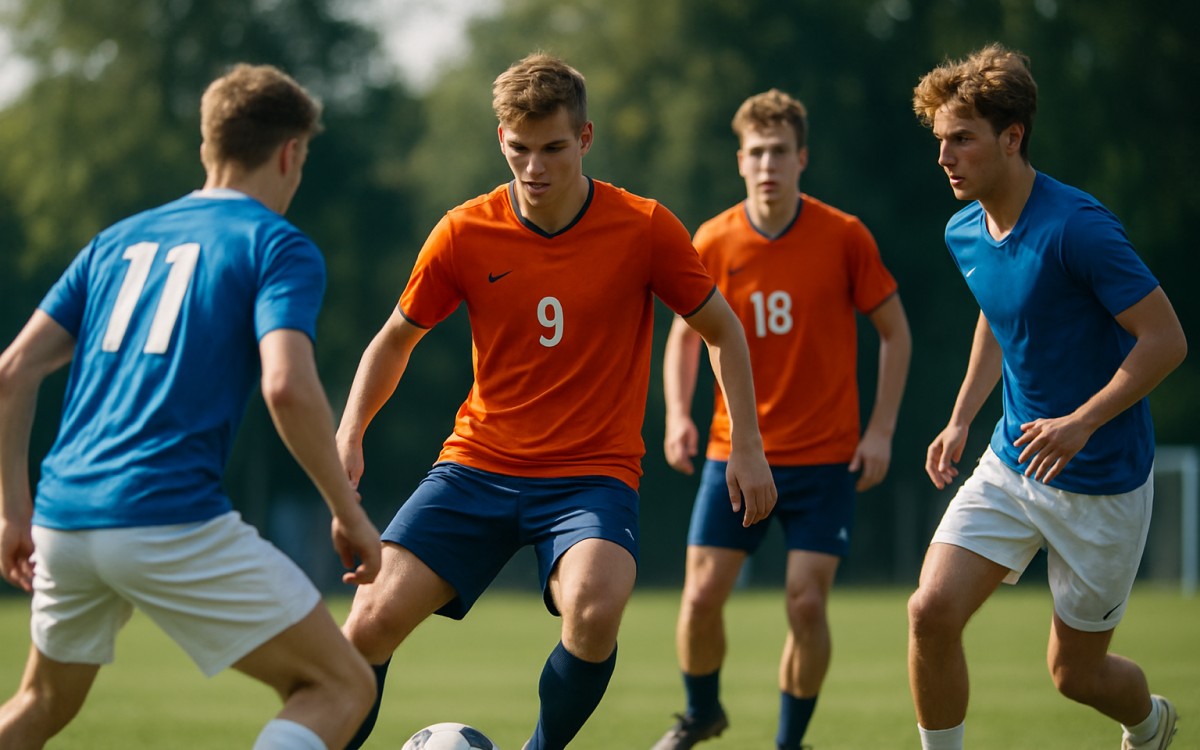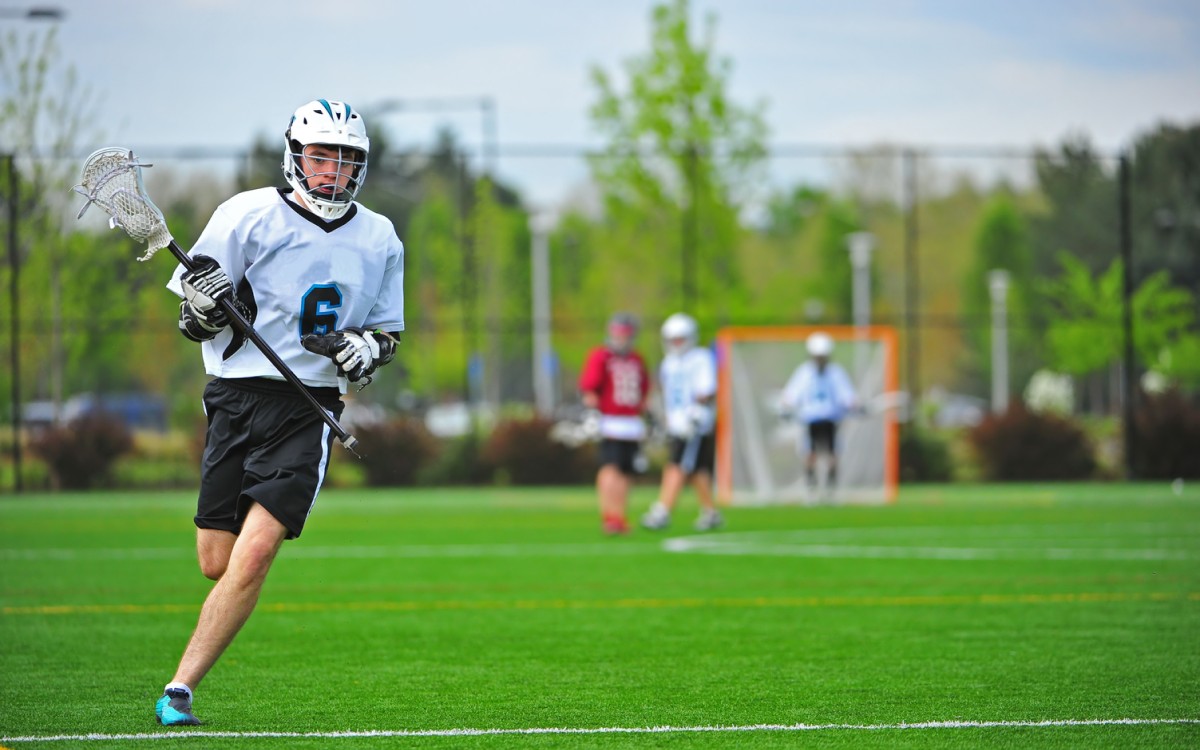
Score pressure is a defining element in sports, shaping how athletes think, react, and perform in crucial moments. Whether it is a close finish or a high-stakes situation, the psychological weight of the scoreboard influences decision-making and execution. Individual athletes and teams respond differently to this pressure, often producing contrasting outcomes. Exploring how score pressure operates across these two contexts offers valuable insight into performance patterns, mental resilience, and strategic behaviour in competitive environments.
What Score Pressure Means in Sports Contexts
Score pressure refers to the mental and emotional strain athletes experience when the outcome of a contest becomes uncertain or critical. It usually intensifies during close contests, final moments, or situations where expectations are high.
Unlike general stress, this form of pressure is directly tied to performance outcomes displayed in real time. The visibility of scores creates immediate accountability, making every action feel consequential. This dynamic influences how individuals process risk, manage focus, and execute skills under scrutiny.
Psychological Response to Score Pressure
Pressure triggers a range of psychological responses, including heightened awareness, anxiety, and urgency. These reactions can either enhance or impair performance depending on how they are managed.
In many cases, the body activates a stress response that sharpens attention but may also reduce fine motor control. Decision-making can become either more instinctive or overly cautious. Athletes who maintain composure tend to perform consistently, while those overwhelmed by pressure may experience lapses in concentration or execution.
Individual Performance Under Score Pressure
Heightened Responsibility and Accountability
Individual athletes often carry full responsibility for outcomes, especially in solo sports or roles requiring direct execution. This responsibility amplifies the impact of score pressure.
Without teammates to share the burden, focus becomes intensely internal. Every mistake feels magnified, which can lead to overthinking or hesitation. At the same time, strong mental discipline allows individuals to channel pressure into precision and control.
Decision-Making in Critical Moments
High-pressure scenarios demand quick and accurate decisions. Individual performers must rely on training, instinct, and situational awareness.
Under score pressure, some athletes simplify their approach, sticking to familiar techniques. Others may attempt riskier strategies in pursuit of quick gains. The ability to balance caution with initiative often determines success in such moments.
Impact on Skill Execution
Technical skills can either improve or deteriorate under pressure. For example, tasks requiring fine coordination may become more difficult due to increased tension.
Consistency becomes a key differentiator. Athletes who maintain routine and rhythm tend to perform better, while those who lose composure may struggle with basic execution. This highlights the importance of mental conditioning alongside physical training.
Team Performance Under Score Pressure
Distribution of Responsibility
In team settings, responsibility is shared across multiple players. This distribution can reduce individual stress but introduces collective dynamics.
Shared accountability allows players to rely on each other, creating a support system during high-pressure moments. However, it can also lead to confusion if roles are not clearly defined. Effective communication becomes essential in maintaining clarity and cohesion.
Coordination and Communication
Score pressure tests a team’s ability to function as a unit. Clear communication ensures that strategies are executed correctly, even in tense situations.
Miscommunication can lead to errors, especially when time is limited. Teams that practise structured communication tend to perform more effectively, as players understand their roles and responsibilities without hesitation.
Collective Decision-Making
Unlike individual scenarios, teams often rely on group decisions or pre-defined strategies. This can be advantageous, as multiple perspectives contribute to better judgement.
However, delays in decision-making can occur if players hesitate or second-guess each other. Strong leadership within the team helps streamline choices, ensuring timely and effective responses under pressure.
Comparing Individual and Team Reactions
Emotional Regulation Differences
Individual athletes must manage emotions independently, while team players can draw support from teammates. This difference significantly affects how pressure is handled.
In team environments, encouragement and shared focus can stabilise emotions. In contrast, individuals must rely on internal coping mechanisms, making emotional control a critical skill.
Risk-Taking Behaviour
Score pressure influences risk-taking differently in individual and team contexts. Solo athletes may either become conservative to avoid mistakes or take bold actions to gain advantage.
Teams often adopt structured risk strategies, balancing aggression with safety. Decisions are usually aligned with overall tactics rather than personal judgement alone.
Performance Consistency
Consistency under pressure varies based on the environment. Individual athletes depend heavily on personal discipline and experience.
Teams benefit from collective stability, where one player’s lapse can be compensated by others. This dynamic often results in more balanced performance, though it requires strong coordination.
Role of Experience and Training
Experience as a Buffer Against Pressure
Experienced athletes tend to handle score pressure more effectively. Familiarity with high-stakes situations reduces anxiety and improves decision-making.
Repeated exposure helps individuals and teams develop confidence. This experience enables them to anticipate scenarios and respond calmly, even when the stakes are high.
Training for Pressure Situations
Structured training programmes often simulate high-pressure scenarios to prepare athletes. These simulations help build resilience and adaptability.
Practising under controlled pressure conditions allows players to refine their responses. Over time, this reduces the impact of real match situations, leading to more consistent performance.
Influence of Leadership in Teams
Role of Captains and Key Players
Leadership plays a crucial role in guiding teams through pressure. Captains and experienced players provide direction, ensuring that strategies are followed.
Effective leaders maintain composure, communicate clearly, and motivate teammates. Their presence can stabilise the team, especially during critical phases.
Maintaining Team Morale
Morale directly affects performance under pressure. Positive reinforcement and encouragement help players stay focused.
Teams with strong morale are more likely to recover from setbacks and maintain performance levels. This collective mindset is essential in overcoming challenging situations.
External Factors That Intensify Score Pressure
Crowd and Audience Influence
Spectators can amplify pressure through expectations and reactions. Loud environments may either energise or distract athletes.
Individual performers may feel isolated under scrutiny, while teams can use crowd energy as motivation. Managing this external influence is a key aspect of performance.
Media and Expectations
Public expectations add another layer of pressure. Athletes are often aware of the significance of their performance beyond the game itself.
Handling these expectations requires mental resilience. Those who focus on the immediate task rather than external narratives tend to perform better.
Strategies to Manage Score Pressure
Mental Conditioning Techniques
Techniques such as visualisation, breathing exercises, and focus drills help athletes maintain composure. These methods are widely used across sports to improve performance under pressure.
Regular practice of mental skills enhances concentration and reduces anxiety. This preparation is essential for both individuals and teams.
Establishing Routines
Consistent routines provide stability during high-pressure moments. Pre-performance rituals help athletes stay grounded and focused.
Routines reduce uncertainty, allowing players to concentrate on execution rather than external factors. This approach is effective in maintaining consistency.
Clear Role Definition in Teams
Defined roles ensure that each player understands their responsibilities. This clarity reduces confusion and improves coordination.
When roles are well established, teams can execute strategies efficiently, even under intense pressure. This structure supports better decision-making and performance.
Long-Term Impact of Score Pressure on Performance
Building Resilience
Exposure to pressure situations contributes to long-term resilience. Athletes learn to adapt and improve their responses over time.
Resilience developed through experience enhances overall performance, enabling athletes to handle future challenges more effectively.
Influence on Career Development
Performance under pressure often shapes an athlete’s reputation and opportunities. Consistent success in high-stakes situations can lead to greater recognition.
For teams, the ability to perform under pressure strengthens cohesion and trust. This foundation supports sustained success in competitive environments.
Conclusion
Score pressure is an integral part of sports, influencing both individual and team performance in distinct ways. While individuals rely on personal discipline and emotional control, teams benefit from shared responsibility and collective support. Each context presents unique challenges and advantages, shaped by psychological, strategic, and environmental factors. By developing effective coping mechanisms and structured approaches, athletes and teams can manage pressure more effectively, leading to improved performance and long-term growth in competitive settings.