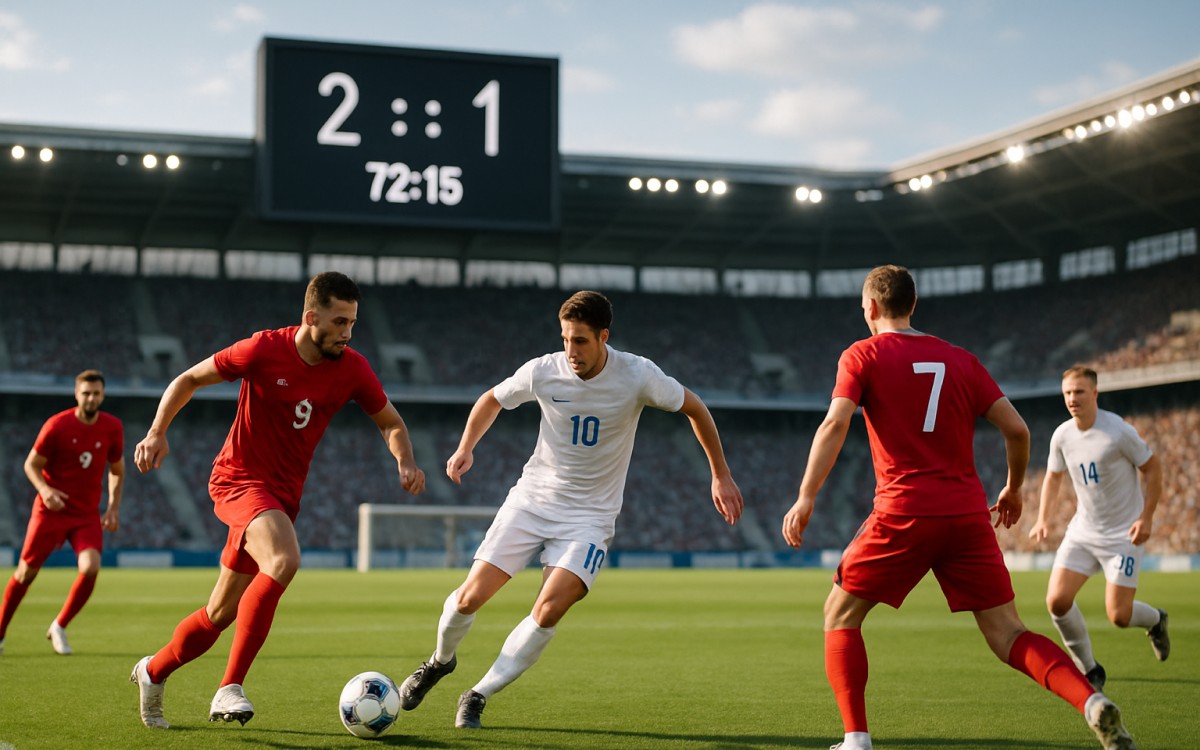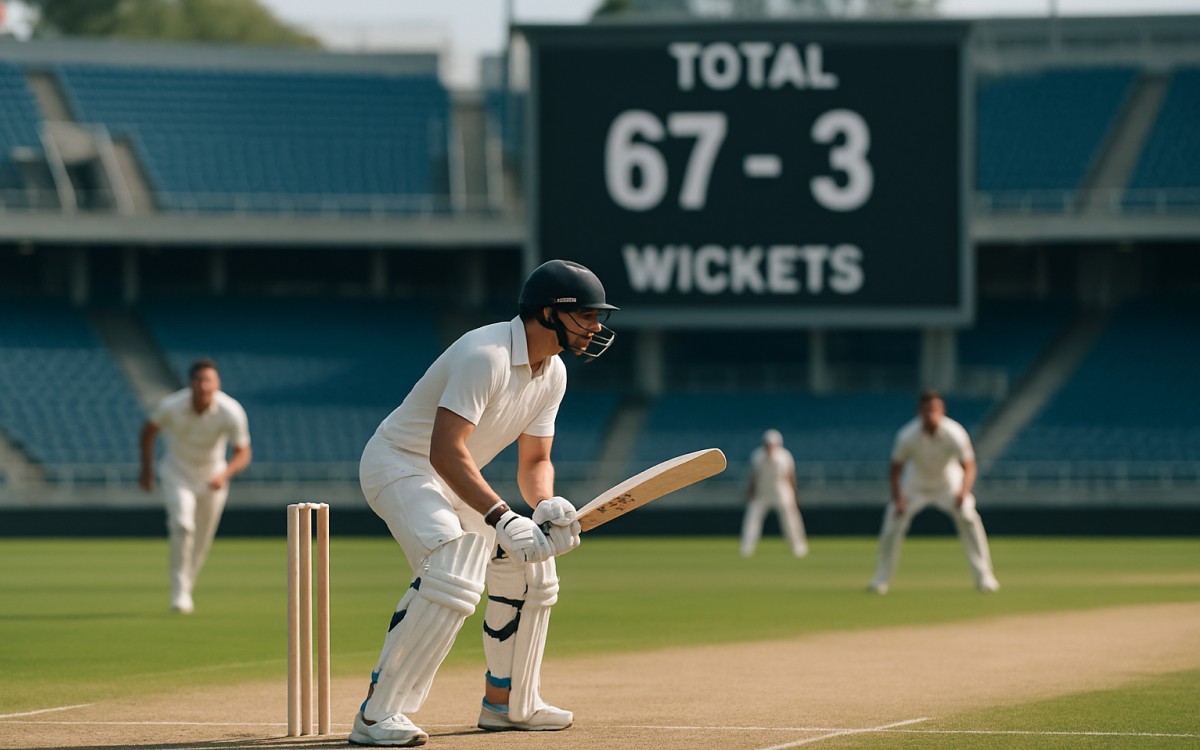
Not all thrilling matches are defined by a large number of points. In many sports, games with fewer goals or points can feel more intense and closely contested. Low-scoring situations often highlight discipline, precision, and strategic depth. Rather than relying on frequent scoring, teams must focus on every small detail to gain an advantage. Understanding why such matches can be highly competitive offers a deeper view of how performance, pressure, and decision-making shape outcomes beyond just the final scores.
The Value of Every Individual Point
In a match where points are scarce, the psychological stakes are raised for every player involved. Unlike high-scoring encounters where a mistake can be rectified later, a single lapse in a defensive battle can be fatal. This scarcity gives every successful action a sense of monumental importance. Fans tend to lean forward in their seats because they know that the next successful play might be the only one. Even though the scores remain low, the intensity level is often at its absolute peak during these moments. This creates a level of suspense that is hard to match elsewhere.
Defensive Mastery and Tactical Execution
High-level sport is frequently as much about stopping the opponent as it is about moving forward. When two teams are evenly matched in their defensive capabilities, it creates a fascinating chess match on the pitch. Coaches spend hours drilling their players to maintain a rigid shape and close down any available space. This level of discipline requires an incredible amount of patience from both the athletes and the supporters. While some might find the lack of action boring, purists appreciate the skill required to keep the scores level against talented attackers.
Psychological Pressure on the Field
Athletes who participate in these tight contests must possess a specific type of mental resilience to survive. The knowledge that one small slip could cost the entire team the victory creates a heavy atmosphere. Every pass, tackle, or shot is scrutinised by thousands of people, adding to the pressure to perform. Instead of playing with freedom, players often adopt a more calculated approach to ensure they do not jeopardise their position. This mental battle is often more exhausting than the physical one, as players constantly monitor the scores to adjust their risk levels.
Technical Quality Over Mere Quantity
Scoring many times does not always equate to a high standard of play. Sometimes, a high-scoring game is simply the result of poor defending or a lack of organisation on both sides. In contrast, a low-scoring affair often highlights the technical brilliance of the goalkeepers, defenders, and midfielders. When every inch of the field is contested, only the most skilful players can find a way to break through. Appreciating these subtle nuances allows fans to see why the final scores do not always tell the whole story of the match.
Impact of Strategy on Match Outcomes
Professional managers often prefer a controlled, low-scoring victory over a chaotic game that swings back and forth. A controlled match suggests that the team is following the tactical plan and limiting the opponent’s chances. This strategic dominance is a sign of a well-coached unit that understands how to manage the game’s tempo. By slowing the pace of play and focusing on ball retention, a team can frustrate its rivals into making errors. This method of play ensures that the scores stay within a range that the leading team can safely manage.
Sustaining Focus Throughout the Contest
Remaining focused for the entire duration of a match is difficult for any professional athlete. In high-scoring games, a momentary loss of focus might only lead to one of many points conceded. However, in a defensive showdown, a two-second distraction can be the difference between a trophy and a loss. Players must constantly communicate with one another to ensure no gaps appear in their formation. This constant communication and alertness are what keep the scores from changing, proving that defensive work is a highly active and demanding process.
Role of Fitness in Tight Matches
Physical endurance is a silent factor that dictates how long a team can maintain a defensive wall. As the players get tired, their legs become heavy, and their ability to track runners diminishes. A team with superior fitness can often maintain its defensive structure for much longer than an opponent who is struggling. This often leads to late drama where a tired defender finally makes a mistake in the dying minutes. Even when the scores are tied at zero, the underlying physical battle rages fiercely between the two sides.
Crowds and the Atmosphere of Tension
Supporters play a massive role in building the aura around a game that has very few points. The quietness that descends upon a stadium during a tense stalemate is often more powerful than the noise of a celebration. Every time the ball approaches the scoring area, a collective gasp can be heard from the stands. This shared experience of waiting for a breakthrough creates a deep bond between the fans and the players. When a goal or run finally happens, the explosion of joy is much greater because the scores have been static for so long.
How Small Margins Define True Greatness
Success in the sporting world is frequently defined by the ability to win when the margins are thin. Teams that can consistently come out on top in low-total matches are usually the ones that win championships. These groups understand that they do not need to score five times to prove they are the better side. They take pride in their ability to grind out a result under difficult circumstances. By mastering the art of the narrow win, they ensure that the scores reflect their superior mental and tactical preparation throughout their journey.
Final Moments of a Low-Scoring Clash
Desperation often sets in during the final five minutes of a match where only one point separates the teams. The trailing side will often abandon all defensive duties to push every player into the attacking zone. This creates a high-stakes environment where a counter-attack could double the lead or an equaliser could change the mood. The tension becomes almost physical as the clock ticks down toward the final whistle. In these closing stages, the scores represent the culmination of hours of hard work and sacrifice. Watching a team defend a narrow lead is a masterclass in dedication and nerves.