Time is one of the most powerful forces in sport. It creates urgency, shapes strategy, and determines how athletes approach every moment of competition. Whether a sport runs on a strict clock, a set number of overs, or an open-ended format where play continues until a result is reached, the structure of time fundamentally changes how scores build and how the game unfolds. Understanding this relationship adds a richer layer to how we appreciate sport.
The Relationship Between Time and Scoring
At its core, a scoring system and a time structure are inseparable. The way points or runs accumulate over the course of a match is directly influenced by how much time is available and how that time is distributed. A sport with a hard time limit produces a very different kind of contest from one where time is unlimited or governed by innings, sets, or rounds.
When athletes know exactly how much time remains, they can plan their approach with precision. When time is open-ended, the psychological dynamic shifts entirely. Both structures produce compelling sport, but they do so in very different ways, and the scoring patterns that emerge from each are distinct and recognisable.
Fixed Time Limits and the Pressure They Create
Sports that operate on a fixed clock, such as football, basketball, and hockey, create a scoring environment where time itself becomes a strategic resource. Every minute that passes without a score carries weight, and the closer the clock gets to zero, the more urgently players respond.
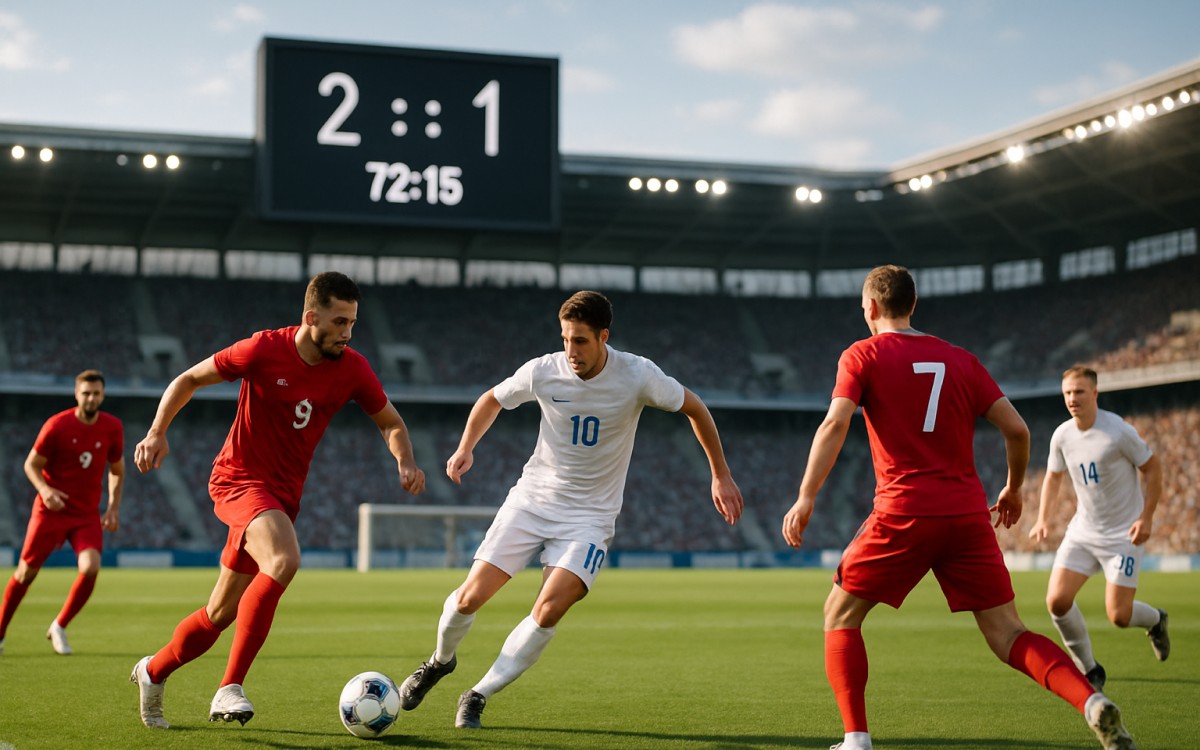
In football, a match lasts ninety minutes with the possibility of additional time. The scoring in football tends to be low, which means every goal carries enormous significance. A team that scores in the first ten minutes plays a completely different game from that point onward than a team that scores in the eighty-first minute. The time at which a score occurs shapes the entire tactical structure of what follows.
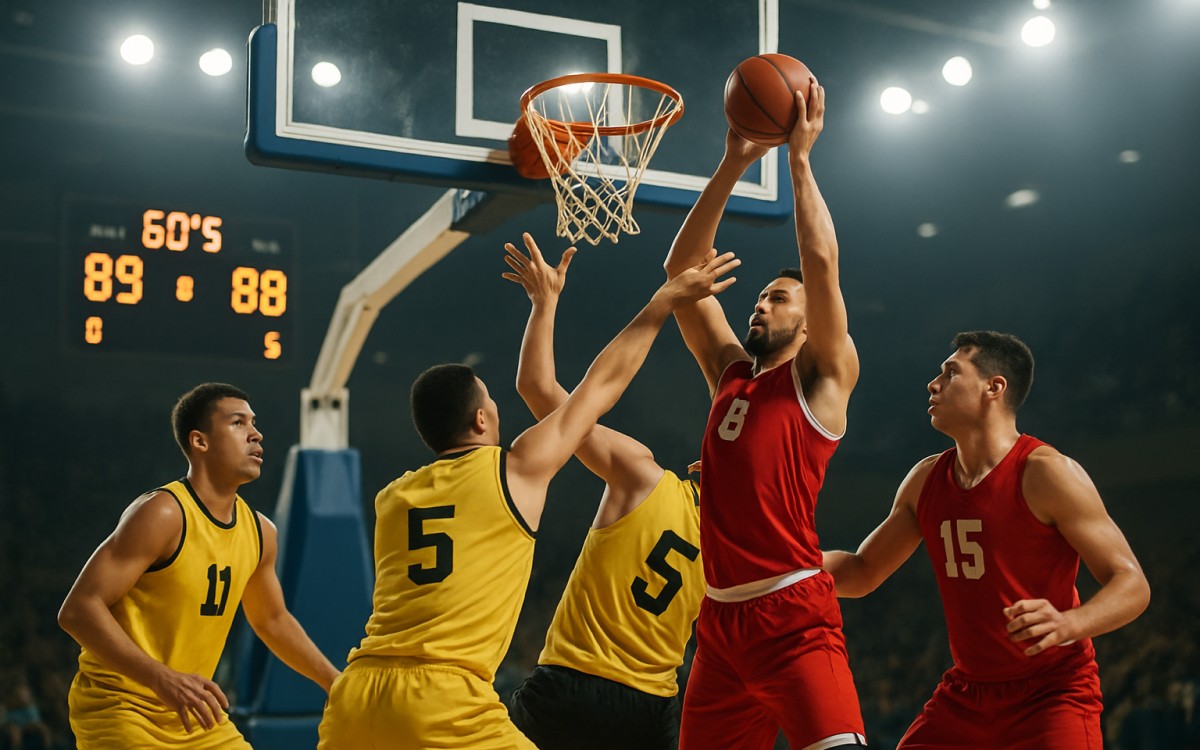
Basketball sits at the opposite end of the scoring spectrum within fixed-time sports. Scores can reach well into the hundreds across four quarters, and the rapid accumulation of points means that the game remains genuinely open until very late. In basketball, a ten-point deficit with two minutes remaining is recoverable in a way that the same deficit in football almost never is. The fixed clock creates urgency, but the high-scoring nature of the game means that urgency translates into explosive action rather than defensive caution.
Over-Based Formats and Controlled Scoring Windows
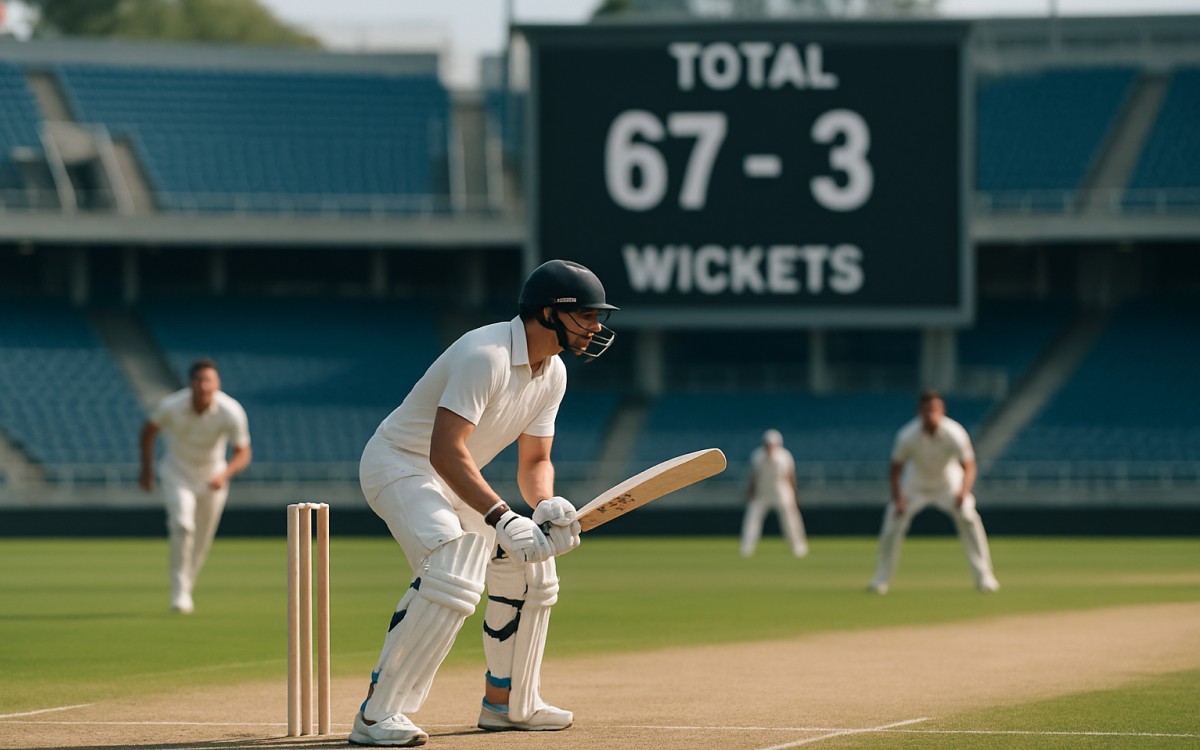
Cricket offers one of the most fascinating studies in how time limits shape scoring. Across its three main formats (Test cricket, One Day Internationals, and Twenty20), the same sport produces dramatically different scoring patterns simply because the time structure changes.
In Test cricket, there is no over limit per se, though each day’s play is governed by the hours of light and scheduled sessions. Teams can afford to build innings patiently over days, and scoring rates tend to be lower and more measured. The absence of a hard scoring deadline encourages a different kind of risk calculation, one where preserving wickets often takes priority over accelerating the run rate.
One Day Internationals introduced the fifty-over format, which compressed the game into a single day and fundamentally changed how batsmen approached their innings. The knowledge that only fifty overs are available pushes teams to score at a consistent rate throughout, with a deliberate acceleration in the final overs.
Twenty20 cricket, with its twenty-over format per side, is perhaps the clearest example of how a time limit transforms scoring behaviour. Batsmen attack from the very first ball, bowlers are under constant pressure, and the run rate required to post a competitive total means that caution is rarely a viable option. The compressed time window produces some of the highest-scoring and most dramatic finishes in all of sport.
Set and Round Structures in Other Sports
Not every sport uses a clock or an overs system. Tennis, badminton, volleyball, and boxing all use formats based on sets or rounds, and these structures create their own distinct scoring dynamics.
In tennis, there is no clock. A match can last anywhere from under an hour to well over five hours, depending on how closely contested each game and set turns out to be. Scoring in tennis is cumulative but non-linear. Winning more points does not guarantee winning more games, and winning more games does not guarantee winning the match. This structure creates situations where momentum and psychological resilience matter as much as raw scoring ability.
Boxing uses timed rounds to organise competition, with scores assigned by judges at the end of each round based on performance. The round structure encourages fighters to think about pacing their effort and managing their scoring across the full duration of the contest rather than committing everything to a single burst of action.
How Athletes Adapt Their Strategy to Time Structures
One of the most compelling aspects of time-based scoring is how athletes internalise the structure of their sport and adapt their decision-making accordingly. Elite athletes do not just react to the clock or the overcount. They plan around it with considerable sophistication.
A football team protecting a lead in the final ten minutes of a match plays with a completely different mindset from one that is chasing the game. A Twenty20 batsman who has ten balls remaining and needs fifteen runs calculates risk in a way that is unique to that format of cricket. A basketball team down by three points with thirty seconds on the clock runs specific plays designed for that exact scenario.
This adaptability is one of the qualities that separates good athletes from exceptional ones. The ability to read a time-based situation accurately and respond with the right level of aggression or composure is a skill that is developed over years of competition.
When Time Runs Out: The Drama of Final Moments
Across every sport that uses a time structure, the closing moments of a contest carry a disproportionate emotional weight. Last-over finishes in cricket, injury-time goals in football, buzzer-beaters in basketball, and final-round knockdowns in boxing are among the most celebrated moments in sporting history precisely because they occur at the edge of available time.
The time limit does not just structure how scores are built. It creates the conditions for these defining moments. Without the constraint of time, the drama of the final push would not exist in the same way. It is the limit itself that gives those last moments their power.